November 28, 2026
Behind the Scenes of Hotel Development: Challenges and Triumphs
By Gary Brar
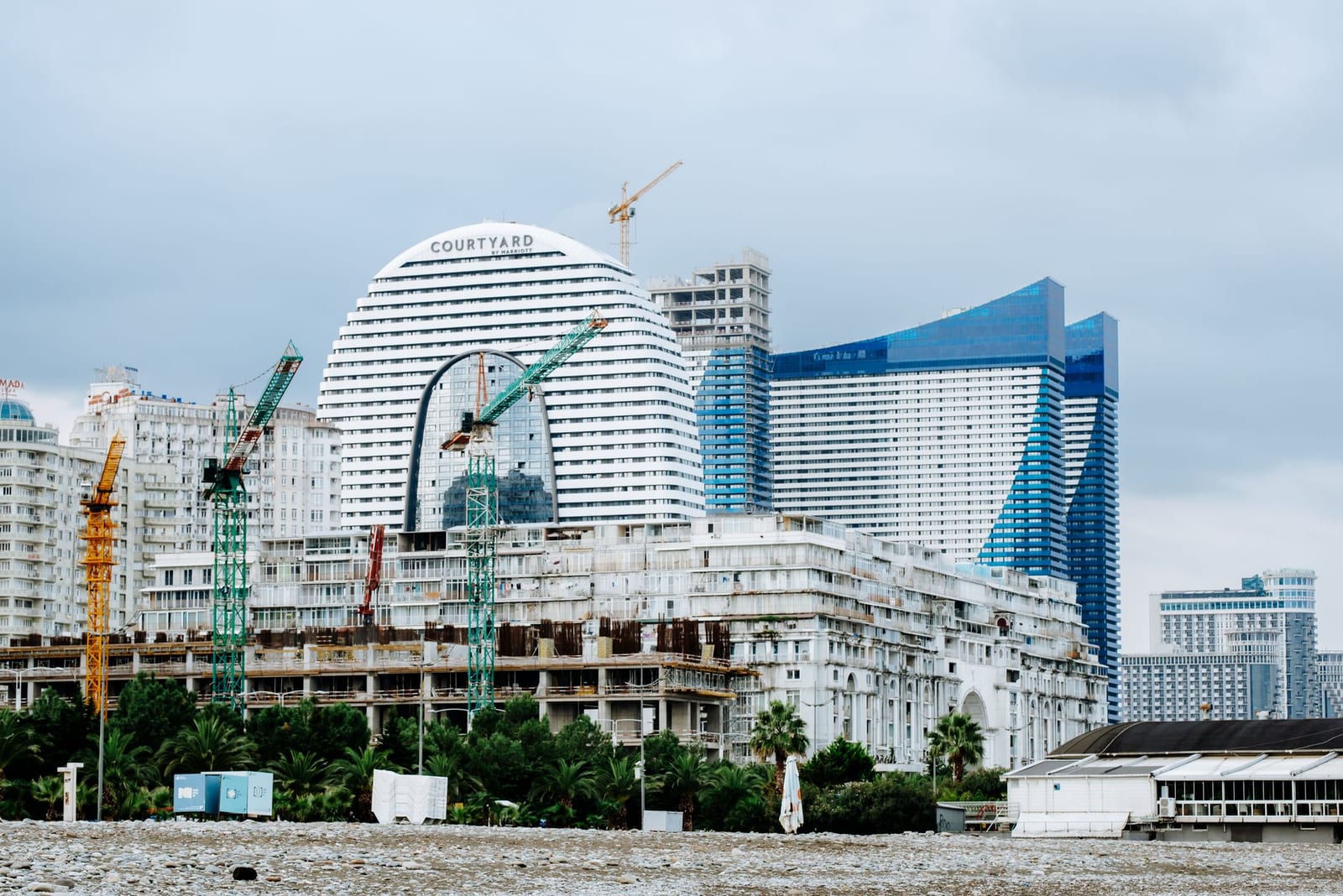
Developing a hotel is a complex endeavor that requires vision, precision, and perseverance. It is far more than the construction of a building; it is the creation of an environment where guests feel welcomed, employees can thrive, and the business operates efficiently. Over the past two decades, I have had the privilege of overseeing multiple hotel projects across Saskatchewan and Manitoba. Each project has presented unique challenges, valuable lessons, and the opportunity to contribute to vibrant local communities.
Planning with Purpose
The foundation of a successful hotel begins with careful planning. Before a single brick is laid, we must consider a multitude of factors: location, market demand, design, operational efficiency, and long-term sustainability. Selecting the right site is critical. Proximity to transportation, commercial districts, and local amenities can determine the success of a property. Additionally, understanding the local market is essential. A hotel that is too large may face occupancy challenges, while one that is too small may fail to meet demand.
Planning also involves collaboration with architects, engineers, city planners, and regulatory bodies. Navigating municipal requirements, zoning laws, and building codes requires diligence and attention to detail. These early stages are often invisible to the public, but they are vital to ensuring that the hotel is not only aesthetically appealing but also functional and compliant with all regulations.
Managing Construction Challenges
Construction is often where vision meets reality. It is a phase that demands precise coordination and the ability to anticipate obstacles before they arise. From securing materials to managing labor schedules, every element must align to maintain timelines and budgets. Delays in supply chains or unforeseen site conditions can impact progress, requiring flexibility and quick decision-making.
One of the most rewarding aspects of construction is seeing a concept take physical form. As walls rise, systems are installed, and finishing touches are applied, the intangible vision of the project becomes tangible. Attention to detail during this phase ensures that the final property meets quality standards and delivers the intended guest experience.
Operational Considerations
While construction is essential, the operational aspect of a hotel is equally critical. Successful hotels require more than comfortable rooms; they must provide a seamless experience for guests while maintaining efficient internal processes. This includes staffing, training, marketing, and establishing service standards that reflect the brand’s values.
Operational planning often begins months before the hotel opens. Recruitment of skilled personnel, development of operational manuals, and the establishment of workflows are all necessary to ensure that the property functions smoothly from day one. Incorporating technology for reservations, security, and guest services enhances efficiency and positions the hotel to meet modern expectations.
Financial and Strategic Decision-Making
Hotel development requires careful financial planning and strategic foresight. Budgeting, financing, and investment analysis are integral to the process. Decisions regarding room rates, service offerings, and target markets must be informed by market research and economic projections. It is essential to balance profitability with accessibility, creating a property that serves both the community and the business.
Risk management is another key consideration. From economic fluctuations to unexpected operational challenges, potential obstacles must be identified and mitigated. A proactive approach to risk ensures that the hotel can navigate uncertainty while maintaining high standards of service and performance.
Triumphs and Lessons Learned
Each hotel development presents a unique set of lessons. One of the most significant insights I have gained is the importance of flexibility. Even the most detailed plans may require adaptation as circumstances change. Responding effectively to challenges, rather than being constrained by them, allows projects to remain on course and achieve their intended outcomes.
Another important lesson is the value of community integration. Hotels are not isolated structures; they are part of the social and economic fabric of the cities in which they operate. Engaging with local contractors, suppliers, and community leaders strengthens relationships and ensures that the property contributes positively to the surrounding area.
Witnessing a hotel open its doors for the first time is profoundly rewarding. Beyond the financial and operational achievements, it represents the culmination of a shared vision. Employees begin their roles, guests experience hospitality, and the community benefits from the addition of a functional, well-designed property. It is a tangible reminder that thoughtful development has the power to create lasting value.
Anticipating Future Opportunities
The landscape of hotel development continues to evolve. Market demands, technological advancements, and changing guest expectations require ongoing adaptation. As I continue to develop properties across Saskatchewan and Manitoba, I remain committed to integrating innovation, quality, and community focus into each project.
Ultimately, the process of hotel development is both challenging and fulfilling. It demands rigorous planning, precise execution, and strategic management, but it also offers the opportunity to create spaces that enrich the lives of guests and contribute to thriving communities. Every hotel I develop embodies these principles, reflecting my dedication to excellence, sustainability, and meaningful impact.